Car Won’t Start? How To Tell If It’s The Battery, Starter Motor Or Alternator
If your car won't start, the battery, starter motor or alternator could be responsible. Slow cranking, clicking noises and dashboard warning lights can provide clues, but these symptoms often overlap. Before replacing anything, a
mechanic in Townsville can test the starting and charging systems to identify what's actually wrong.
Why a Car Won’t Start Isn’t Always the Battery
A flat battery is a common reason a car won't start, but it isn't the only possibility. Your vehicle relies on several components working together to start the engine and keep its electrical systems running. The battery supplies the power needed to start your car, while the starter motor uses that power to turn the engine over. Once the engine is running, the alternator generates electricity and recharges the battery.
If any of these components fail, your car may struggle to start or stop working altogether. Loose connections, damaged wiring and other mechanical or electrical faults can also cause starting problems. That's why we recommend checking the symptoms and testing the relevant components before assuming you need a new battery.
Signs the Problem Is Your Battery
A weak or discharged battery often makes itself known when you turn the key or press the start button. Instead of starting normally, your engine might turn over slowly, make a rapid clicking noise or fail to respond.
Common signs of battery trouble include:
- Slow or sluggish engine cranking
- Rapid clicking when attempting to start
- Dim headlights or dashboard lights
- Electrical accessories struggling to operate
- Corrosion around the battery terminals
These symptoms generally suggest the battery isn't supplying enough power for the starter motor to operate properly. However, a discharged battery isn't necessarily a faulty one. For example, leaving your headlights on overnight can drain an otherwise healthy battery. A failing alternator can produce similar symptoms because the battery isn't being recharged while driving. Battery testing helps determine whether the battery is simply discharged, has deteriorated or requires further investigation.
Signs the Problem Is Your Starter Motor
The starter motor turns your engine over so the combustion process can begin. When it fails, you might have plenty of battery power but still be unable to start your car. One common warning sign is hearing a single click when turning the key, without the engine cranking. You might also notice grinding noises during starting or intermittent problems where the vehicle starts normally one day but refuses the next.
Unlike a weak battery, a faulty starter motor may leave your headlights and dashboard lights operating normally. However, these symptoms aren't exclusive to starter motor failure. Problems with electrical connections, relays or the ignition circuit can produce similar results.
Before proceeding with starter motor repairs, we recommend having the starting circuit inspected to confirm which component is causing the problem.
Signs the Problem Is Your Alternator
Your alternator generates electricity while the engine is running, helping power the vehicle's electrical systems and recharge the battery. If it stops working properly, your battery may gradually lose its charge.
An alternator problem can cause several noticeable symptoms:
- Battery warning light appearing while driving
- Headlights becoming unusually dim
- Electrical accessories behaving inconsistently
- A battery that repeatedly goes flat
- Engine stalling after the electrical supply becomes insufficient
An important difference is that alternator problems often become noticeable while the vehicle is running, rather than only when you attempt to start it. The battery-shaped warning light on your dashboard can indicate a charging-system problem, not necessarily a defective battery.
Our guide to understanding your car’s warning lights explains what different dashboard alerts mean and when you should take action. If the battery warning light stays illuminated while driving, stop somewhere safe and arrange assistance. Continuing to drive could leave you stranded if the vehicle loses electrical power.
Battery, Starter or Alternator: A Quick Symptom Comparison
Although these faults can produce similar symptoms, paying attention to how your car behaves can help narrow down the likely cause. Look out for things such as:
- If your engine cranks slowly: A weak battery or poor electrical connection could be preventing sufficient power from reaching the starter motor.
- If you hear rapid clicking: The battery may not have enough charge to operate the starter, although connection problems can produce the same symptom.
- If you hear one click without the engine turning: The starter motor or its electrical circuit could be faulty.
- If your car starts after a jump-start but goes flat again: The battery might be deteriorating, or the alternator may not be recharging it properly.
- If your battery warning light appears while driving: A charging-system fault, potentially involving the alternator, should be investigated.
- If your engine cranks normally but won't start: The fault could involve the fuel system, ignition system or another engine-related component.
Consider a situation where your car needs a jump-start in the morning. You drive to work without any noticeable problems, but the vehicle refuses to start again that afternoon. It's tempting to assume the battery needs replacing. However, if the alternator isn't charging properly, a replacement battery could eventually suffer the same problem. These clues help explain the symptoms, but proper electrical testing is needed to confirm the cause.
How Townsville’s Heat Shortens Battery Life
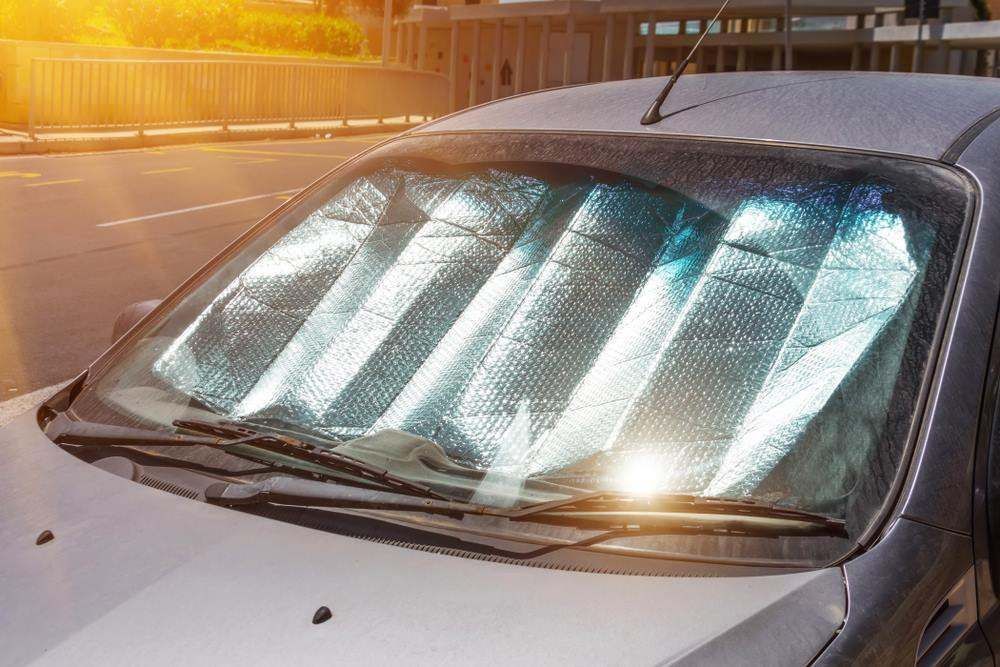
Townsville's hot climate can place additional strain on car batteries, particularly during prolonged periods of high temperatures. Heat accelerates chemical reactions inside lead-acid batteries, contributing to deterioration over time. It can also increase water loss in batteries where that is relevant, reducing their ability to hold a charge.
While cold weather is often associated with starting problems, high temperatures can weaken a battery long before it finally fails. To help reduce the likelihood of unexpected battery problems, we recommend parking in shaded areas where practical, keeping an eye on starting performance and arranging testing when the battery shows signs of deterioration. If your battery can no longer hold sufficient charge, our car battery replacement Townsville service includes battery assessments and replacement options suited to your vehicle.
What to Do (and Not Do) When Your Car Won’t Start
If your car suddenly refuses to start, avoid repeatedly turning the key or pressing the start button. Extended starting attempts can drain the remaining battery power and place unnecessary strain on the starter motor.
Instead, take a few simple steps to understand what's happening, such as:
- Check the dashboard: Look for warning lights or unusual messages
- Listen when starting: Notice whether you hear clicking, slow cranking or no sound
- Check electrical accessories: See whether the headlights and interior lights operate normally
- Consider recent changes: Think about whether the car has been sitting unused or struggling to start recently
- Arrange professional assistance: If the problem continues, have the vehicle inspected rather than replacing parts at random
A jump-start may help if the battery is discharged, but it won't resolve an underlying charging-system problem. Always follow your vehicle manufacturer's jump-start instructions, particularly for modern vehicles with sensitive electronics. If the battery is damaged, leaking or visibly swollen, don't attempt to jump-start it. For persistent starting problems, arranging an inspection is generally safer and more effective than continuing to troubleshoot without the correct equipment.
How a Mechanic Diagnoses Starting and Charging Problems
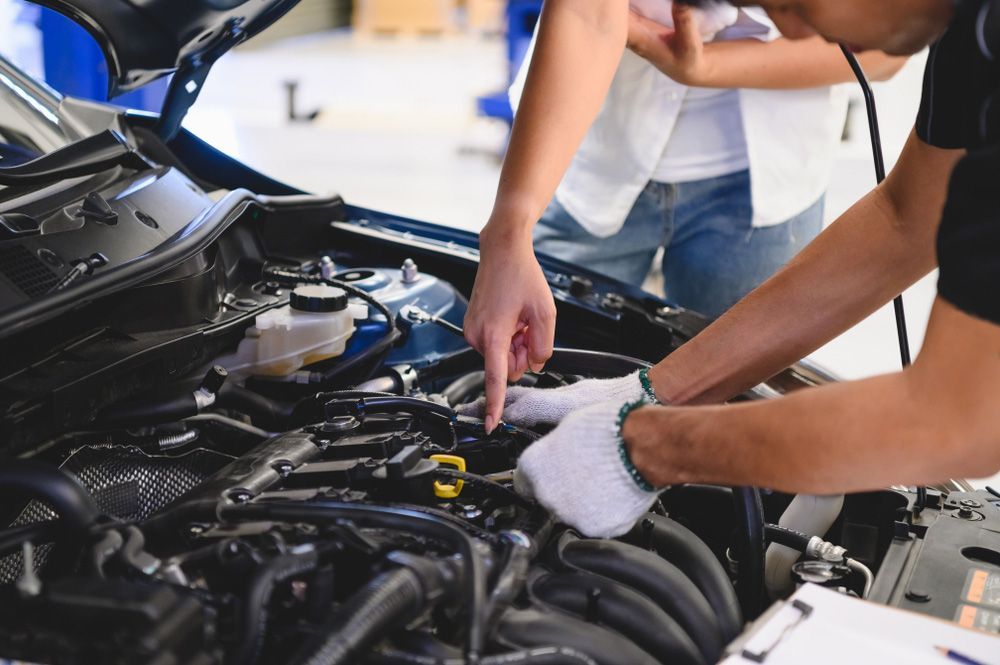
Diagnosing starting problems involves more than checking whether the battery has power. A mechanic needs to determine whether the battery, starter motor and charging system are operating correctly. The process typically begins with a visual inspection of the battery, terminals and electrical connections.
Corrosion, loose connections or damaged cables may be responsible for the symptoms. Battery voltage and load testing can then assess whether the battery can deliver sufficient power under starting conditions.
If the battery is healthy, further checks may include alternator testing, charging voltage measurements and inspection of the starter motor circuit.
These checks help distinguish between a battery that needs replacing and another electrical fault that is preventing the vehicle from starting reliably. Rather than replacing parts without knowing the cause, we recommend having your vehicle inspected by a mechanic in Townsville who can test the battery and charging system to identify the fault.
Regular general servicing also provides an opportunity to raise concerns about slow starting, unusual electrical behaviour or other developing vehicle problems.
Book Battery Testing or an Electrical Check with MB Automotive
A car that won't start doesn't automatically need a new battery. The starter motor, alternator and electrical connections can all contribute to similar symptoms, making accurate testing important before repairs begin.
At MB Automotive, we provide battery testing and replacement services for Townsville drivers. If your car is struggling to start, making unusual clicking noises or repeatedly losing charge, get in touch with our team to arrange a battery assessment and discuss any further electrical checks needed.
Frequently Asked Questions