How To Maintain Your Car In Townsville’s Hot And Humid Climate
Living and driving in Townsville means dealing with conditions that can be tough on vehicles year-round. Extended heat, high humidity and coastal air all place additional strain on engines, cooling systems and vehicle electronics. Unlike cooler climates, wear and deterioration can happen faster if maintenance routines are not adjusted to suit local conditions. For everyday drivers who rely on their vehicles for commuting, school runs or work, understanding how the environment affects a car is key to avoiding unexpected breakdowns. For anyone searching for a dependable mechanic in Townsville, knowing what to watch for can help keep vehicles reliable, safe and ready for daily use.
How Heat Impacts Engine Performance
Engines already operate at high temperatures, and constant exposure to extreme heat increases the workload on cooling systems. In Townsville conditions, even short trips can push engines harder than expected, particularly when combined with traffic congestion and high ambient temperatures.
Common heat-related issues include:
- Coolant breaking down faster than in cooler regions
- Increased engine oil thinning and degradation
- Higher risk of overheating during traffic or idling
Regular checks of coolant condition, radiator efficiency and hose integrity help reduce strain on the engine. Ensuring fans, thermostats and belts are functioning correctly is especially important during prolonged hot weather. Ignoring early warning signs, such as rising temperature gauges or warning lights, can lead to more serious and costly engine damage.
Why Humidity Accelerates Wear and Corrosion
Humidity affects vehicles in ways that are often overlooked. Moisture in the air can penetrate small gaps and settle on components, accelerating corrosion and wear over time.
Areas commonly affected by humidity include:
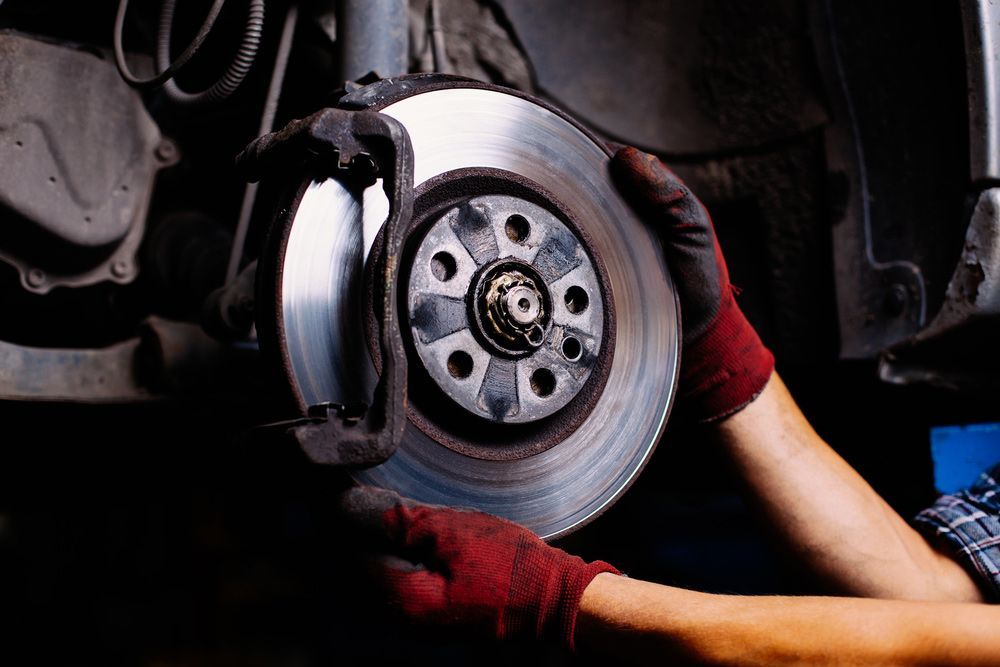
- Brake components and calipers
- Electrical wiring and connectors
- Hinges, mounts and underbody parts
Over time, moisture can contribute to rust formation and intermittent electrical faults. These issues may not be immediately obvious but can affect reliability and safety. Regular servicing allows corrosion to be identified early, before it spreads to critical components.
The Effect of Coastal Conditions on Vehicles
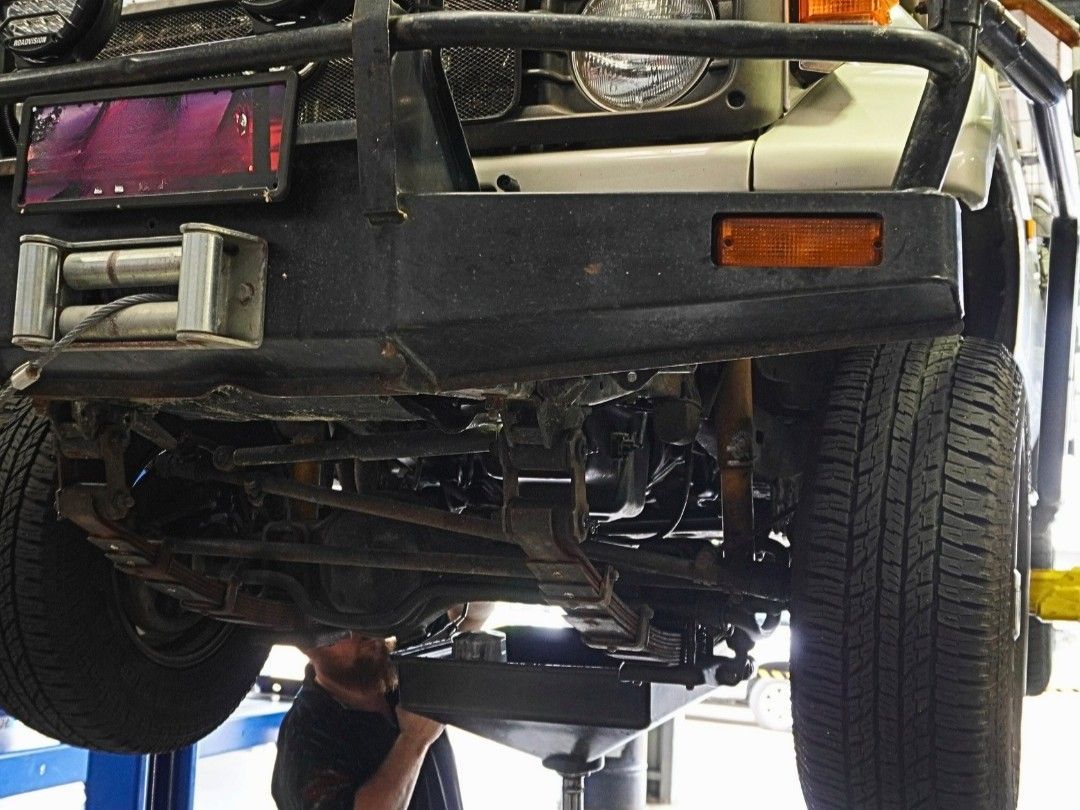
Townsville’s coastal environment adds another layer of stress to vehicles. Salt carried in the air can settle on paintwork, underbody components and suspension parts, even for drivers who rarely travel along the coastline.
Drivers may notice:
- Faster rust development on exposed metal
- Premature wear on suspension and steering components
- Corrosion around bolts, fittings and brackets
Regular washing, including underbody rinsing, helps remove salt residue. Maintaining paintwork and protective coatings can also slow corrosion and help preserve vehicle value over time.
Battery Care in Hot Climates
Batteries are particularly vulnerable to heat. High temperatures cause battery fluid to evaporate faster, which can shorten battery lifespan and reduce reliability.
Common warning signs include:
- Slow or hesitant engine starts
- Electrical systems behaving inconsistently
- Dashboard warning lights appearing unexpectedly
Routine battery testing during servicing helps identify declining performance before failure occurs. In hot climates, batteries often fail without much warning, making preventative checks especially important.
Tyre Pressure and Wear in Extreme Heat
Tyres are directly affected by road temperature and ambient heat. In Townsville conditions, tyre pressure can change significantly throughout the day.
In hot conditions:
- Tyres expand, raising internal pressure
- Tread wear can accelerate
- Blowout risk increases on long or heavily loaded drives
Checking tyre pressure when tyres are cool provides more accurate readings. Regular inspections also help identify uneven wear caused by alignment or suspension issues.
Air Conditioning Performance and Comfort
Air conditioning is essential in Townsville conditions, not just for comfort but also for driver focus and safety. Poor cooling performance can increase fatigue, especially during long commutes.
Common air conditioning concerns include:
- Reduced cooling efficiency
- Moisture-related odours
- Increased strain on compressors and belts
Routine servicing helps keep systems operating effectively and reduces the chance of failure during peak summer periods.
Fluids and Lubrication in Hot Conditions
High temperatures affect how fluids behave inside a vehicle. Engine oil, brake fluid and transmission fluid can degrade faster under sustained heat.
Important considerations include:
- Using fluids appropriate for warm climates
- Monitoring fluid colour and levels
- Following service intervals suited to local conditions
Maintaining clean fluids helps protect internal components and supports consistent performance year-round.
Preventative Maintenance for Everyday Drivers
Preventative maintenance is especially valuable in climates that place additional stress on vehicles. Addressing small issues early often prevents more significant repairs later.
Simple preventative steps include:
- Scheduling regular servicing
- Responding promptly to warning lights
- Investigating unusual noises or smells
Drivers who stay proactive often experience fewer breakdowns and more predictable vehicle performance.
Driving Habits That Reduce Heat-Related Wear
How a vehicle is driven influences how well it copes with heat. Small changes can reduce unnecessary strain.
Helpful habits include:
- Avoiding heavy acceleration when engines are already hot
- Reducing prolonged idling in traffic or driveways
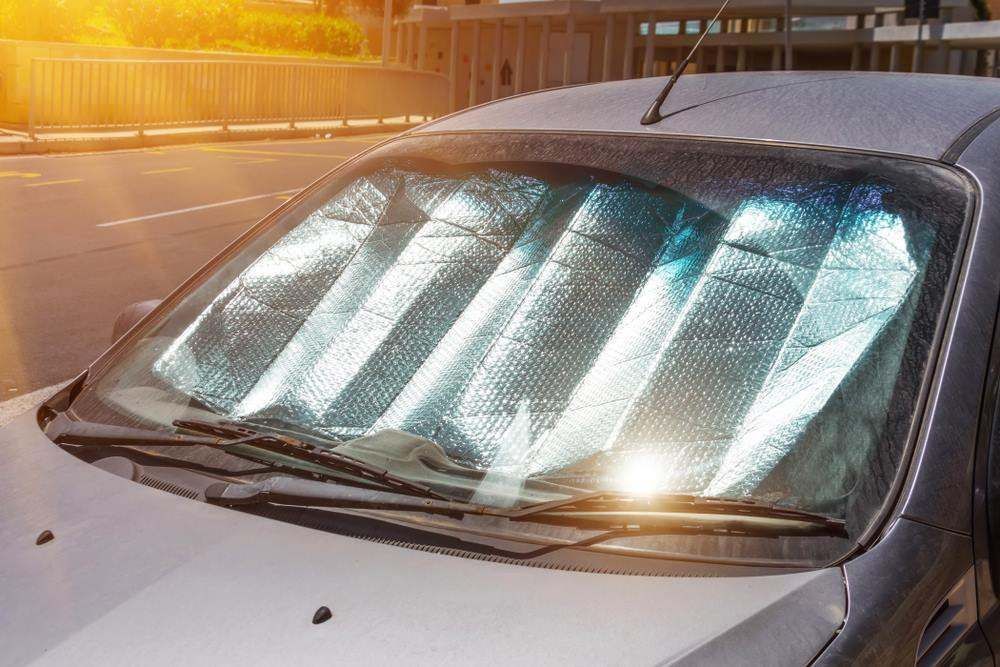
- Parking in shaded or covered areas whenever possible
These habits help reduce heat soak and extend component life, particularly during summer.
How Extreme Weather Affects Servicing Intervals in Townsville
Servicing schedules are often based on average driving conditions, which do not always reflect the realities of Townsville’s climate. Constant heat, humidity and coastal exposure can place greater stress on vehicle components, meaning some parts may wear faster than expected if standard intervals are followed without adjustment.
In hot and humid conditions:
- Engine oil can break down more quickly
- Cooling system components may require closer monitoring
- Rubber seals and hoses can deteriorate faster
- Filters may clog sooner due to dust and moisture
For everyday drivers, this means regular servicing becomes even more important. Vehicles used for frequent short trips, towing or carrying heavy loads may also benefit from more frequent inspections. Adjusting maintenance timing to suit local conditions helps reduce the risk of sudden failures and supports more consistent performance.
When to Seek Professional Advice
Not all issues are obvious, and some develop gradually. Professional inspections help identify concerns that may not be visible during routine checks.
Situations where professional advice is helpful include:
- Before long-distance travel
- When preparing for seasonal weather changes
- If fuel efficiency or performance declines
Choosing a local mechanic, Townsville drivers can trust advice that reflects real-world driving conditions in North Queensland.
Supporting Long-Term Vehicle Reliability
Vehicles maintained with climate conditions in mind tend to perform more consistently over time. Adjusting servicing schedules and care habits to suit heat, humidity and coastal exposure helps reduce unexpected breakdowns and supports long-term reliability.
Understanding how Townsville conditions affect vehicles allows drivers to make informed decisions that protect both safety and investment.
Keeping Your Car Ready for Townsville Conditions
We at MB Automotive support local drivers by providing mechanical services suited to Townsville’s hot and humid environment. For those looking for reliable mechanics Townsville drivers can depend on for practical servicing and maintenance, visit our website to book an appointment and keep your vehicle prepared for local conditions.